
PEMF Therapy for Cellular Energy and Healing: How It Supports Whole-Body Wellness
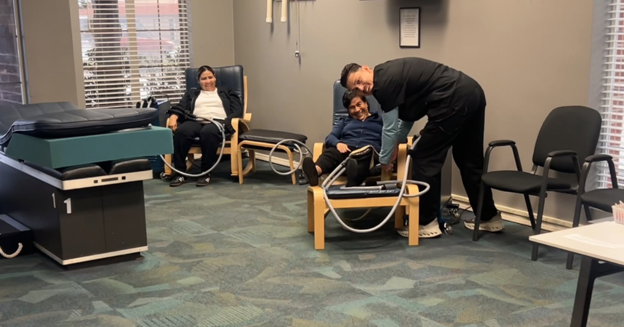
Pulsed Electromagnetic Field (PEMF) therapy is a non-invasive treatment that supports the body at the cellular level. At Standridge Clinic in Owasso, we use it to help patients recover, manage stress, and feel better, without drugs or downtime.
If you've heard of PEMF but aren't sure what it does, this guide walks through how it works, what a session feels like, and where it fits into a broader care plan.
Why Cellular Energy Matters
Your body is made of trillions of cells, and each one runs on energy and electrical signaling. Those signals help cells:
Repair and regenerate tissue
Take in nutrients
Clear out waste
Communicate with neighboring cells
When this system works well, you recover from workouts, bounce back from minor injuries, and handle daily stress more easily. But injury, chronic inflammation, poor sleep, long-term stress, and aging can all disrupt these signals. When cells can't produce energy efficiently, healing slows down, and you may notice lingering soreness, fatigue, or tension that doesn't seem to go away.
The Science Behind PEMF and Brain Function
The nervous system relies heavily on electrical activity, so researchers have long been curious about how electromagnetic fields might influence it. Early research suggests PEMF may support relaxation, sleep quality, and mood by interacting with the brain's natural electrical rhythms.
Many patients tell us they feel calmer and mentally clearer after sessions. It's worth being honest here: research on PEMF and brain function is still developing, and results vary from person to person. We see PEMF as a supportive therapy for nervous system balance, not a replacement for medical treatment of any neurological or mental health condition.
How PEMF Therapy Supports Cellular Function
PEMF devices send low-frequency electromagnetic pulses into the body. These pulses are thought to help cells restore healthier electrical activity, which may support:
Better communication between cells
Improved oxygen use
Healthier circulation
More efficient energy production
PEMF doesn't force the body to do anything. It gives your cells a better environment to do what they're already designed to do.
Benefits of PEMF Therapy for Healing and Wellness
Because PEMF works throughout the body rather than in one spot, patients choose pulsed electromagnetic field therapy for many reasons. Common goals include:
Muscle and joint recovery
Relief from everyday physical tension
Better resilience to stress
Support for sleep and relaxation
More consistent energy through the day
Results depend on the person and what they're dealing with. Some patients feel a difference quickly, while others notice gradual changes over several sessions.
What a PEMF Session Feels Like
Most people are surprised by how easy it is. You'll typically lie down or sit comfortably while the device does its work. Sensations vary, and you might feel:
A light pulsing or tingling
Gentle warmth
Deep relaxation
Nothing at all, which is completely normal
There's no pain and no recovery period. Many patients say they feel calm, loose, or refreshed afterward, and you can go right back to your day.
Also Read: Can PEMF Therapy Change the Way We Manage Chronic Pain?
PEMF Therapy and Chiropractic Care
Chiropractic adjustments restore proper joint motion and support healthy nervous system function. PEMF complements that work by supporting the cellular environment: how well your tissues respond, recover, and hold their progress.
Think of it this way. An adjustment improves how your body moves, and PEMF supports how your body heals. Together, they often give patients a more complete and longer-lasting response than either one alone.
Immune Function and Inflammation
Inflammation is part of the body's normal healing response, but when it lingers, it can wear you down. Research suggests PEMF may help regulate inflammatory activity and support the body's normal immune function.
For patients dealing with ongoing stiffness, soreness, or slow recovery, this can be an appealing option. We also like that it's drug-free. That said, PEMF supports your body's own processes and isn't a cure for any disease. If you have an immune or inflammatory condition, we'll work alongside your medical provider.
Work PEMF Does to Activate and Accelerate Healing
Healing takes energy, oxygen, and good communication between cells. By supporting those three things, PEMF may help the body move through its natural repair phases more efficiently.
In practice, that can mean:
Tissues responding better to treatment
Faster recovery between workouts or after minor strains
Less physical stress building up over time
PEMF isn't a shortcut. It helps your body work as efficiently as it can.
PEMF as Part of an Integrated Treatment Plan
PEMF works best as one piece of a bigger plan. At Standridge Clinic, we may combine it with chiropractic adjustments, advanced therapies, and lifestyle guidance, all based on your goals and what's causing your symptoms.
We don't believe in treating the symptom and sending you home. Our goal is to find the root cause and support your body so you can heal fully and keep moving without limits.
PEMF Therapy in Owasso and Tulsa
Standridge Clinic offers PEMF therapy in Owasso, Oklahoma, and welcomes patients from Tulsa and the surrounding communities. If you're looking for a gentle, drug-free way to support recovery and long-term wellness, we'd love to talk with you.
Ready to see if PEMF is right for you? Schedule an appointment or call us at (918) 272-7439.
Frequently Asked Questions
-
No, DRX9000 therapy is designed to be comfortable. You lie on a padded table while a harness gently applies controlled traction to the affected area of your spine. Most patients describe a light stretching sensation, and many find sessions relaxing. If anything feels uncomfortable, your provider can adjust the settings right away.
-
It depends on your condition, how long you've had symptoms, and how your body responds. Treatment is usually delivered as a series of sessions over several weeks, and many patients begin noticing changes along the way. After your evaluation, we'll recommend a plan built around your specific needs and adjust it as you progress.
-
Coverage varies widely by insurance plan and provider. Many plans don't cover spinal decompression therapy, while some offer partial coverage. Our team can help you understand your options before you begin, and we recommend checking your benefits with your insurer so there are no surprises.
-
Spinal decompression isn't right for everyone. Conditions that may make someone a poor candidate include:
Pregnancy
Spinal fractures or tumors
Spinal infections
Severe osteoporosis
Abdominal aortic aneurysm
Certain surgical hardware or implants in the treatment area
A thorough exam and a review of your health history come first, and we'll only recommend treatment if it's safe and appropriate for you.
-
Some patients who still have pain after back surgery explore non-surgical decompression as an option. Whether it's appropriate depends on the type of surgery you had, how long ago it was, whether hardware was placed, and what is causing your current symptoms. We'll review your imaging and history to determine if you're a candidate. Results vary, and we'll always give you an honest assessment.
