
What Is DRX Spinal Decompression Therapy? A Non-Surgical Solution for Disc Pain
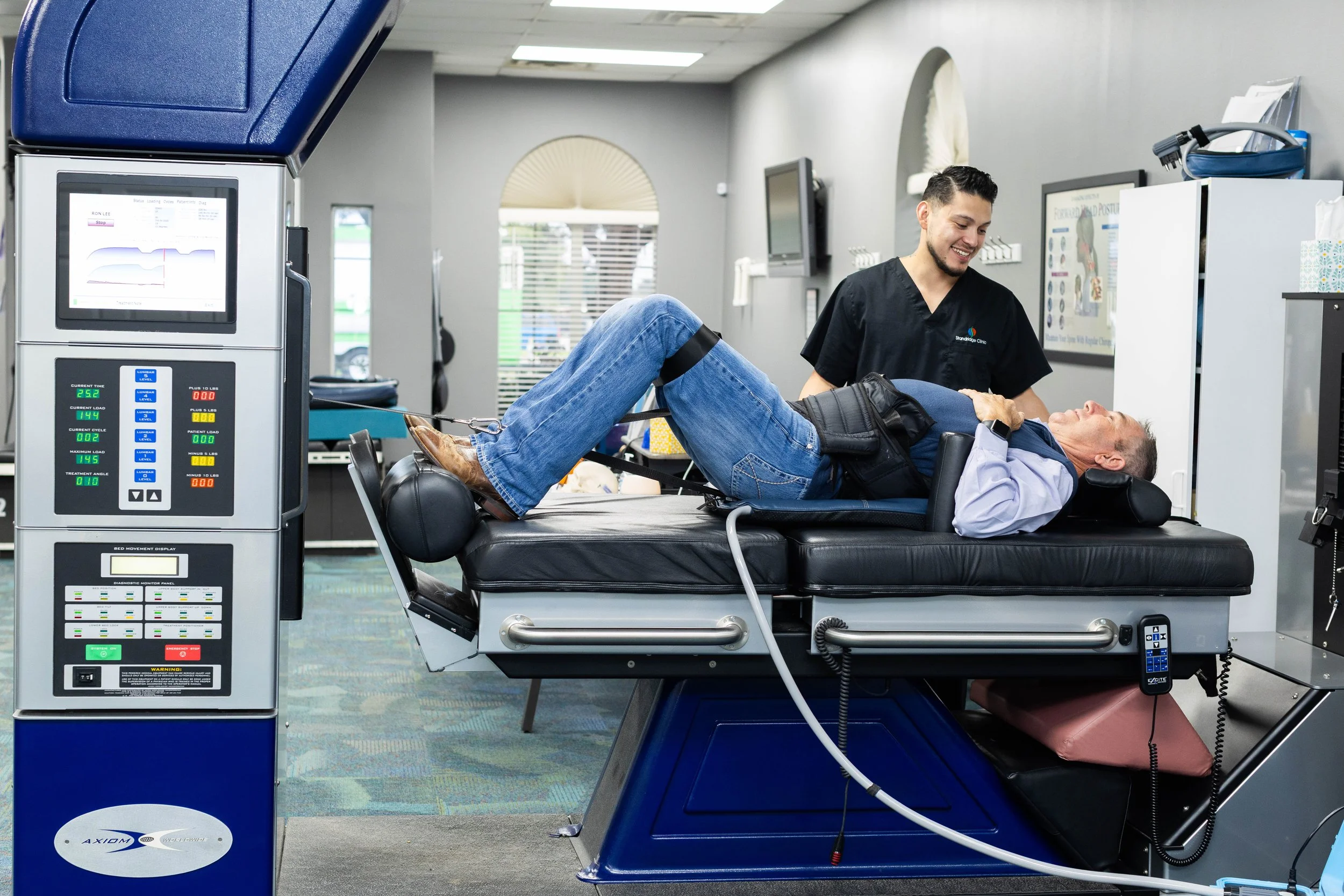
Every hour of the day, gravity exerts a silent, constant downward pressure on your skeletal system. This physical load slowly drains the moisture from the soft cushions between your vertebrae, leading to the structural wear that triggers chronic back pain. Instead of trying to mask this structural collapse with temporary chemical solutions, we focus on a mechanical solution known as spinal decompression therapy to physically reverse this daily pressure.
When these internal cushions lose their physical height, they can bulge or leak, making an effective herniated disc treatment your only path back to normal movement. We utilize advanced engineering to address this compression directly at its source. Through non-surgical spinal decompression, we pull back against the forces of gravity to restore spacing and hydration to your compromised discs, giving your body the physical space it needs to heal.
Relieving Disc Pain Without Surgery
According to recent health statistics, close to eighty percent of people will run into meaningful back issues at some point, and disc injuries are one of the main reasons for long-term disability. A lot of traditional medical advice tends to jump straight to major surgeries, which come with real risks, major expense, and long recovery timelines. We think invasive measures ought to be treated like a last resort. Using a specialized kind of technology, we reduce the stress on compressed spinal discs, so they can have the room they need to mend. This calm, controlled separation helps open the way for oxygen and nutrient-rich fluids to move back into the irritated sections, and in turn it supports natural restoration of disc elasticity.
What Is DRX Spinal Decompression Therapy?
DRX Spinal Decompression therapy uses an FDA-cleared technology aimed at easing pressure on the sensitive structures in your spine. Rather than those older traction tables everyone remembers, this newer platform uses fast, computer-guided systems that help work around the natural muscle guarding reflex. We direct the process toward selected lumbar or cervical discs with notable accuracy. Then, with a customized logarithmic distraction force, the equipment gently extends the spine to form a mild negative pressure inside the disc space itself.
How does DRX Spinal Decompression work?
To understand it, you kind of have to notice how your body reacts when there’s physical tension. If someone pulls on a regular traction setup, your muscles often tighten up automatically, like they’re guarding your spine from getting hurt. The DRX system aims to get around that issue with advanced sensors that keep track of muscle resistance thousands of times each second. Then it modifies the pulling force as you go, so it kind of “misleads” the nearby muscles into staying more pliable and relaxed. In that way, the system can create true negative pressure inside the disc itself. That vacuum effect works a bit like a sponge, bringing bulging or herniated disc material back toward its rightful space, while also drawing in healing nutrients and fluids that support recovery.
Why should you consider DRX Spinal Decompression Therapy?
Choosing the right care plan can feel overwhelming, especially when you face conflicting medical advice. This technology offers a targeted, gentle option that works with your body's natural physiology rather than forcing joint manipulation.
| Feature | Standard Traction | DRX Decompression |
|---|---|---|
| Muscle Guarding | Triggers muscle spasms | Bypasses muscle resistance |
| Target Accuracy | General spinal tension | Specific disc levels |
| Internal Pressure | Minimal change | Negative intradiscal pressure |
| Technology | Mechanical pull | Computerized feedback loops |
DRX Spinal Decompression treatment can help in
This method supports movement again, by going after structural strain at the starting point. When discs regain hydration, the mechanical load on nearby nerve roots can drop. As a result, local tissue irritation may calm down, your overall range of motion can improve, and your body’s natural repair rhythm can speed up. Over time, many people report they can get back to the activities they actually care about, without feeling stuck behind the same physical limits.
Conditions Commonly Treated
We use this technology for a broad mix of spinal problems, and we often see relief from long term pain patterns, such as: herniated and bulging discs that press on spinal nerves, degenerative disc disease linked with area stiffness and persistent ache, sciatica that causes pain to travel down the legs, facet syndrome with localized joint discomfort, stubborn neck and low back stiffness, and pain that returns after earlier back surgeries.
Who Can Benefit from DRX9000?
This is best suited for people who deal with ongoing, nagging discomfort because the spinal discs are compromised, and who would rather steer clear of surgical risk. If you’re having shooting pain, numbness in your arms or legs, or you keep feeling a kind of focused lower back stiffness that just doesn’t get better after rest, then yes, this system may be what you’re looking for. We screen each person carefully, so your current physical state lines up with the therapeutic parameters of the equipment.
What to Expect?
In a typical session, you stay fully clothed and you lie down in a comfortable way on the padded table. We fit a specialized harness around your hips and chest, basically to help the gentle traction forces spread out more evenly. When the cycle begins, you may notice a firm yet mild stretching feeling, usually in the lower back or sometimes the neck. Many patients tell us it feels oddly calm, like they can read, listen to music, or even zone out and fall asleep during the thirty to forty-five minute session.
How Long Does It Take to Notice a Real Difference?
Some people feel meaningful relief after just a few sessions, but it’s not always instant. Recovery works in layers, slowly building. Early sessions are often centered on lowering acute inflammation and nudging the disc toward rehydration. Real structural repair takes more time because the outer ring fibers in the disc need regular decompression from pressure in order to mend well. Throughout the full care plan, we track your progress, so we can confirm your spine is settling and stabilizing the way it should.
DRX Spinal Decompression is not recommended for which patients?
While this technology is highly effective for many, certain health profiles are not suitable for this treatment. We prioritize your safety above all else, which is why we do not recommend this therapy if you have certain pre-existing conditions. These include advanced osteoporosis, spinal fractures, severe canal stenosis, spondylolisthesis, or metallic implants in the spine. Pregnant individuals and those with active spinal infections or tumors must also seek alternative care pathways.
Long-Term Relief Without Surgery or Medications
A healthy spine requires long-term care, not just temporary fixes. The ultimate goal of this care is to provide lasting structural stability. By restoring the physical height and hydration of your spinal discs, we help stabilize your posture and movement patterns. This prevents the accelerated wear and tear that leads to premature degeneration, allowing you to live a full life without relying on daily pain medications or facing the risks of spinal surgery.
Conclusion
Achieving lasting physical relief from debilitating spinal issues requires a commitment to addressing the root mechanical causes of physical stress. When you choose to invest in your long-term mobility, advanced options like DRX spinal decompression therapy provide a clear, non-invasive alternative to standard medical management. At Standridge Clinic, we utilize DRX9000 spinal decompression to guide our patients toward a pain-free life, ensuring each individual receives the precise care needed to support the natural healing mechanisms of the body.
Frequently Asked Questions
-
No, most patients feel a gentle, relaxing stretch rather than any pain or discomfort during the session.
-
Most patients require twenty to twenty-four sessions spread over several weeks to achieve optimal, long-lasting healing.
-
Coverage varies by provider, but we offer detailed receipts and payment options to help manage your care costs.
-
Conditions like advanced osteoporosis, spinal fractures, pregnancy, and metallic spinal implants disqualify individuals from this treatment.
-
Yes, as long as you do not have metallic fusion hardware in the target area, this therapy can help relieve post-surgical pain.
