
Can PEMF Therapy Change the Way We Manage Chronic Pain?
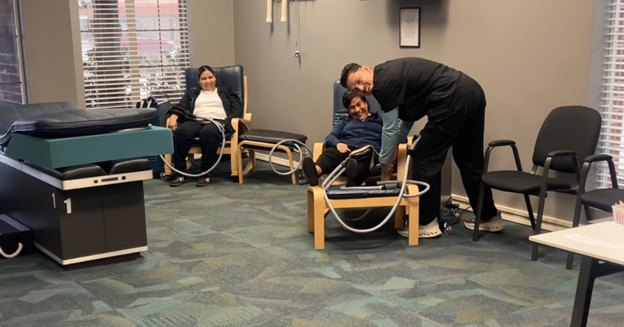
PEMF Therapy offers a non-invasive option for some people as part of a broader pain-management and rehabilitation plan. It uses electromagnetic fields to deliver energy to targeted areas of the body, and it is being studied for its potential role in supporting pain relief and tissue recovery. Moreover, before getting this therapy, let’s understand its principle and its functioning.
We understand that living with chronic pain can make even simple activities feel difficult. When discomfort lasts for months, many people begin looking beyond temporary solutions and ask what pulsed electromagnetic field therapy is and whether it may become part of a conservative treatment plan. While no single therapy works for everyone, non-invasive options continue to gain attention for their ability to support recovery alongside personalized care.
We believe that successful pain management starts with understanding the source of discomfort. Whether pain is linked to joint dysfunction, muscle strain, arthritis, or pinched nerves, choosing the right treatment begins with a careful evaluation. Patients also frequently ask, how does pulsed electromagnetic field therapy work and whether it can complement chiropractic care and rehabilitation. Our goal is to provide evidence-informed care while helping patients make informed decisions about their health.
What Is Pulsed Electromagnetic Field Therapy?
sounds very technical. Pulsed electromagnetic field therapy is a non-invasive procedure that applies low-frequency electromagnetic pulses to stimulate the tissues in the body.
PEMF therapy has been studied for years and is used in various medical disciplines, such as some FDA-approved uses for healing bones after certain fractures. In fact, a wide range of healthcare professionals today are incorporating the use of PEMF as a component of their more conservative treatment plans for chronic musculoskeletal pain, rehabilitation, and recovery.
Research is ongoing, but as it stands, it could support pain control and functional recovery, depending on the patient, when implemented correctly. However, PEMF is not a substitute for conventional medical treatments but is often used in conjunction with other non-surgical treatments as needed.
How Does Pulsed Electromagnetic Field Therapy Work?
One of the most common questions we receive is how pulsed electromagnetic field therapy works. The therapy provides carefully controlled electromagnetic pulses via applicators positioned close to the damaged area. They do not cause any discomfort or invasive procedures to the body tissues.
The definitive biological processes are still being investigated. At this time, there is only preliminary evidence that indicates that PEMF may have an effect on cellular signaling, circulation, and inflammatory responses, and this could help to improve healing and alleviate pain for some patients. However, chronic pain is rarely treated as a single problem, and PEMF is usually regarded as one of the many factors that must be addressed for chronic pain to be treated.
Which Types of Chronic Pain May Benefit?
Chronic pain does not always mean the result of just one injury. It can also be caused by a gradual degeneration due to repeated stress or to aging.
PEMF therapy can be used in conjunction with other conservative therapies for the following diseases:
Chronic lower back pain
Neck pain
Arthritis-related discomfort
Joint stiffness
Muscle soreness
Sports injuries
A delay in wound healing after injuries.
General musculoskeletal pain
Symptoms associated with pinched nerves when clinically appropriate
Each patient is unique, and as such, we start with a thorough clinical evaluation and then proceed with treatment recommendations.
Why Do We Combine PEMF With Other Therapies?
Often multiple treatments are necessary for successful recovery. Rather than try to treat pain from one approach, we frequently use more than one conservative treatment method to treat the spine and its mobility, strength, and flexibility.
Treatment can consist of the following:
Chiropractic adjustments
Rehabilitation exercises
Mobility training
Posture education
Lifestyle recommendations
PEMF therapy as part of a personalized treatment plan.
This combination will help relieve symptoms and the underlying functional problems that can cause them to return.
What Happens During a PEMF Therapy Session?
Many people are surprised at the ease of experiencing the experience. The treatment area is placed next to a specialised PEMF device during treatment. The patient is completely dressed during the time that electromagnetic pulses are sent. The majority of sessions are easy, and recovery doesn't need to be a part of them.
The number of sessions will differ from patient to patient based on their condition, medical history, and treatment objectives. Regular monitoring of progress is undertaken to ensure care is adapted to requirements as necessary.
What Does Current Research Say?
New studies continue to emerge and are growing in scientific interest. Published research has estimated that chronic pain has a prevalence rate of about 1/5 of adults globally, so there is a high demand for conservative treatment options to alleviate the need for relying solely on medication. Several clinical trials have investigated the use of PEMF therapy in the treatment of pain, inflammation, and recovery from surgery or injury, with some studies reporting positive findings, while others do not.
There is currently some evidence that PEMF could be of benefit for certain patients when combined with other therapies. Further high-quality research is ongoing to further delineate which patients may benefit most and optimal treatment protocols.
How Is PEMF Different From Other Electrical Therapies?
Patients sometimes confuse PEMF with electrical stimulation therapies such as TENS. The treatments work differently.
| Therapy | Primary Approach | Typical Goal |
|---|---|---|
| PEMF Therapy |
Uses pulsed electromagnetic fields without direct electrical stimulation of muscles. | Supports tissue function, recovery, and pain management as part of conservative care |
| TENS Therapy |
Uses mild electrical currents delivered through skin electrodes | Temporarily interrupts pain signals and may reduce short-term discomfort |
Both therapies have appropriate clinical uses, but they are designed for different purposes and may even be recommended together in some treatment plans.
When Should You Consider Professional Evaluation?
Persistent pain should never be ignored. If discomfort continues for several weeks, limits daily activities, or includes numbness, tingling, weakness, or symptoms consistent with pinched nerves, a professional evaluation is recommended. Identifying the underlying cause allows healthcare providers to determine whether conservative options such as chiropractic care, rehabilitation, or PEMF therapy may be appropriate.
Seeking care early often provides more opportunities to improve movement before chronic pain becomes increasingly difficult to manage.
Looking Beyond Pain Relief
We believe chronic pain deserves more than temporary symptom management. Every patient has different goals, different medical histories, and different reasons for seeking care. That is why we begin with careful evaluation before recommending treatment options.
When patients ask what pulsed electromagnetic field therapy is, we explain that it is one of several conservative tools that may support pain management and functional recovery when used appropriately. We also answer how pulsed electromagnetic field therapy works by discussing current research, individualized treatment planning, and realistic expectations. At Standridge Clinic, we integrate evidence-informed chiropractic care, rehabilitation, and advanced therapies when clinically appropriate to help patients pursue healthier movement and improved quality of life.
Frequently Asked Questions
-
Research suggests PEMF may help some patients manage pain and improve function when combined with appropriate conservative treatment.
-
PEMF therapy is generally considered safe for many individuals when administered according to clinical guidelines and patient evaluation.
-
It is a non-invasive therapy using low-frequency electromagnetic pulses to support tissue function and conservative pain management.
-
It may influence cellular activity, circulation, and inflammatory responses that contribute to pain and tissue recovery.
-
Response varies by condition. Some patients notice changes within weeks, while others require longer treatment plans.
-
PEMF uses electromagnetic fields, while TENS uses electrical stimulation to reduce pain through different physiological mechanisms.
