
Why Your Posture Matters More Than You Think
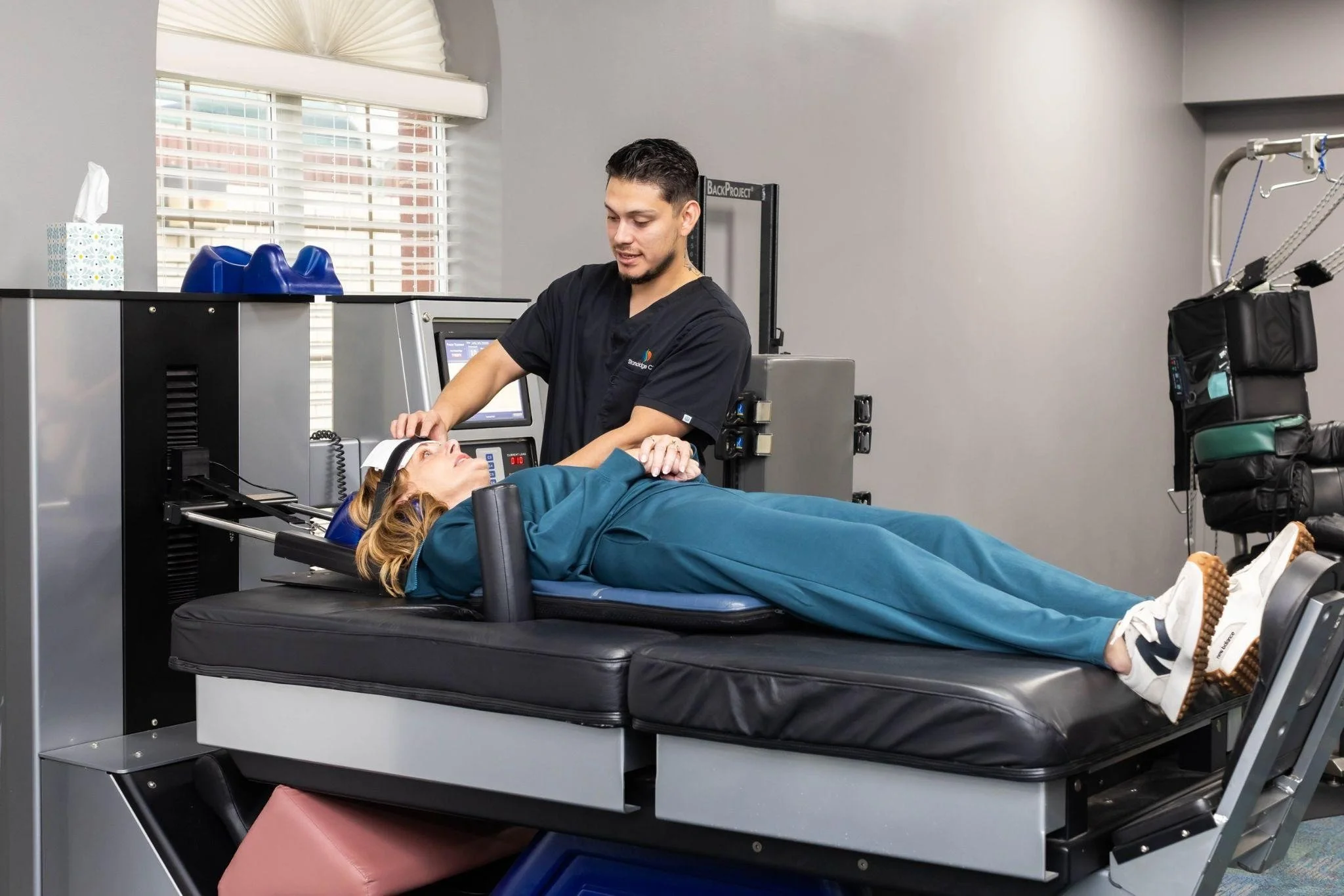
We live in a world that constantly pulls us forward. Think about it. Most of us spend hours every day leaning over our phones or slouching at a desk. At our practice, we see the results of these daily habits all the time. Many people ask us why posture is important for their long-term health. The answer is about a lot more than just looking confident or standing tall. It is actually about the health of your entire nervous system. As a dedicated chiropractor in Owasso, OK, we focus on how your alignment affects your everyday life.
The truth is simple. Posture affects far more than appearance. It changes how we sit, stand, breathe, move, and even how tired we feel at the end of the day. When people ask us, why is posture important, the answer usually starts with the spine and how the body handles stress every day.
What Does Good Posture Really Mean?
Good posture means the body stays balanced while sitting, standing, or moving. The spine, muscles, and joints work together without extra strain.
When posture is healthy:
The head stays aligned over the shoulders
The shoulders stay relaxed
The lower back keeps its natural curve
Body weight stays evenly balanced
Poor posture shifts that balance. The body then works harder just to stay upright.
Over time, that extra stress can lead to pain, stiffness, and reduced movement.
Why Are Posture Problems So Common Today?
Modern life plays a big role.
Many people now spend over 6 to 8 hours sitting every day. According to the CDC, long sitting periods and low physical activity continue to rise in the United States. Remote work and constant phone use have also increased neck and back complaints.
We see these habits every day:
Looking down at phones
Sitting at desks for too long
Working on laptops without support
Driving for long periods
Poor sleeping positions
These small habits slowly change how the body moves.
Research from Harvard Health reports that looking down at a phone can place up to 60 pounds of pressure on the neck. Repeated stress can lead to muscle tension and spinal strain over time.
Why Is Proper Posture Important for the Spine?
The spine supports the entire body. When posture stays balanced, pressure spreads evenly through the joints and muscles.
Poor posture changes that balance.
For example:
Slouching increases lower back pressure
Forward head posture strains the neck
Rounded shoulders tighten chest muscles
Uneven posture stresses the hips and knees
These problems often build slowly. Many people ignore the early warning signs until pain becomes constant.
That is one reason why proper posture is important for long-term health. Good alignment helps reduce unnecessary stress on the body.
Can Poor Posture Cause More Than Back Pain?
Yes. Poor posture can affect many parts of daily life.
We often see posture problems connected to:
Headaches
Neck stiffness
Shoulder tension
Fatigue
Muscle tightness
Reduced flexibility
Joint discomfort
Posture can even affect breathing. Slouching compresses the chest and limits lung expansion. Some studies show that poor sitting posture may reduce breathing efficiency.
People are often surprised by how much better they feel after improving posture habits.
Why Is Good Posture Important for Energy Levels?
The body uses energy more efficiently when posture stays balanced.
Poor posture forces muscles to work harder. Tight muscles tire faster. Shallow breathing also reduces oxygen flow.
This can leave people feeling drained by the end of the day.
The Cleveland Clinic has reported that posture affects muscle fatigue and body stress levels. Many patients notice improved comfort and energy after making small posture changes.
This helps explain why good posture is important beyond just preventing pain.
How Does Chiropractic Care Help With Posture?
We focus on helping the body move better and function with less stress.
Chiropractic care may help by:
Improving spinal movement
Reducing joint restrictions
Supporting muscle balance
Improving body alignment
Helping patients move more naturally
In many cases, posture problems involve both tight muscles and weak muscles. That is why treatment often includes exercises and movement training along with chiropractic adjustments.
At our clinic, we also educate patients about everyday posture habits. Small changes at home and work can make a big difference over time.
Read More: What Is a Chiropractic Adjustment?
What Are Some Early Signs of Poor Posture?
Many posture problems start quietly.
Common warning signs include:
Tight neck muscles
Frequent headaches
Sore shoulders
Mid-back stiffness
Lower back discomfort
Feeling tired after sitting
Poor balance or uneven posture
These symptoms often appear before serious pain develops.
Paying attention early may help prevent long-term problems later.
Can Better Posture Improve Daily Movement?
Yes. Good posture supports smoother movement.
When the body stays aligned:
Joints move more freely
Muscles work more evenly
Balance improves
Physical strain decreases
This matters for athletes, office workers, parents, and older adults alike.
The American Chiropractic Association notes that healthy spinal alignment supports better mobility and overall body function.
Even simple activities like walking, lifting groceries, or working at a desk may feel easier with improved posture.
What Simple Habits Can Help Improve Posture?
Posture improvement usually starts with small daily habits.
We often recommend:
Keeping screens at eye level
Standing and stretching every hour
Supporting the lower back while sitting
Sleeping with proper neck support
Strengthening core muscles
Avoiding long periods of sitting
Consistency matters more than perfection.
Small posture corrections repeated daily often create lasting improvement.
Why Should People Care About Posture Earlier in Life?
Posture affects the body over time. Small problems today can become larger issues later.
Poor posture may increase wear on joints and muscles as people age. It may also affect balance and movement quality.
That is why posture should be viewed as part of long-term wellness, not just pain relief.
We now see posture problems in teenagers and young adults more often than ever before. Technology use plays a major role. Early awareness can help reduce future strain on the spine and joints.
A Different Way to Think About Posture
Posture is not about sitting perfectly straight all day. It is about helping the body move with less stress and better balance.
Many people searching for a chiropractor in Owasso, OK, want relief from neck pain, headaches, or back discomfort. Often, posture becomes an important part of the conversation.
At Standridge Clinic, we help patients understand how posture connects to spinal health, movement, and daily comfort. Questions like why is posture important, why is proper posture important, and why is good posture important continue to matter because healthy movement affects every part of everyday life.
Frequently Asked Questions
-
Yes, good posture helps reduce stress on muscles, joints, and the spine. It supports better movement, balance, and comfort during daily activities. Healthy posture may also lower the risk of chronic neck pain, headaches, stiffness, and long-term spinal problems caused by poor body mechanics.
-
Good posture helps the body stay balanced and move efficiently. It reduces pressure on the spine and muscles while supporting breathing, flexibility, and circulation. Proper posture also helps prevent fatigue, improves comfort during work and daily tasks, and supports long-term joint and spinal health.
-
Several muscles support healthy posture, including the core muscles, back muscles, neck muscles, shoulder stabilizers, and hip muscles. These muscle groups work together to keep the spine aligned, maintain balance, support movement, and reduce unnecessary strain on joints during everyday activities.
-
Good posture supports spinal alignment, reduces muscle tension, and helps the body function more efficiently. It may improve breathing, circulation, balance, and movement quality. Healthy posture can also lower stress on joints and reduce the risk of long-term pain and mobility problems
-
Poor posture may place extra tension on muscles and structures around the neck and upper spine, which can influence nerve function. While posture alone does not directly damage the vagus nerve, healthy alignment may help support better nervous system balance and overall physical comfort.
-
Good posture helps reduce strain on the spine, muscles, and joints. It supports smoother movement, better balance, improved breathing, and less fatigue throughout the day. Healthy posture may also improve comfort while sitting, standing, walking, and performing regular daily activities over time.
-
Good posture often reflects confidence, body awareness, and healthy movement habits. Standing and sitting upright may create a more attentive and engaged appearance. It can also show that a person values physical wellness, balance, and proper care for long-term spinal and joint health.
-
Poor posture most commonly affects the neck, shoulders, and lower back. These areas often absorb extra pressure when the body loses proper alignment. Over time, poor posture may also impact the hips, knees, muscles, joints, and overall spinal movement during daily activities.
